
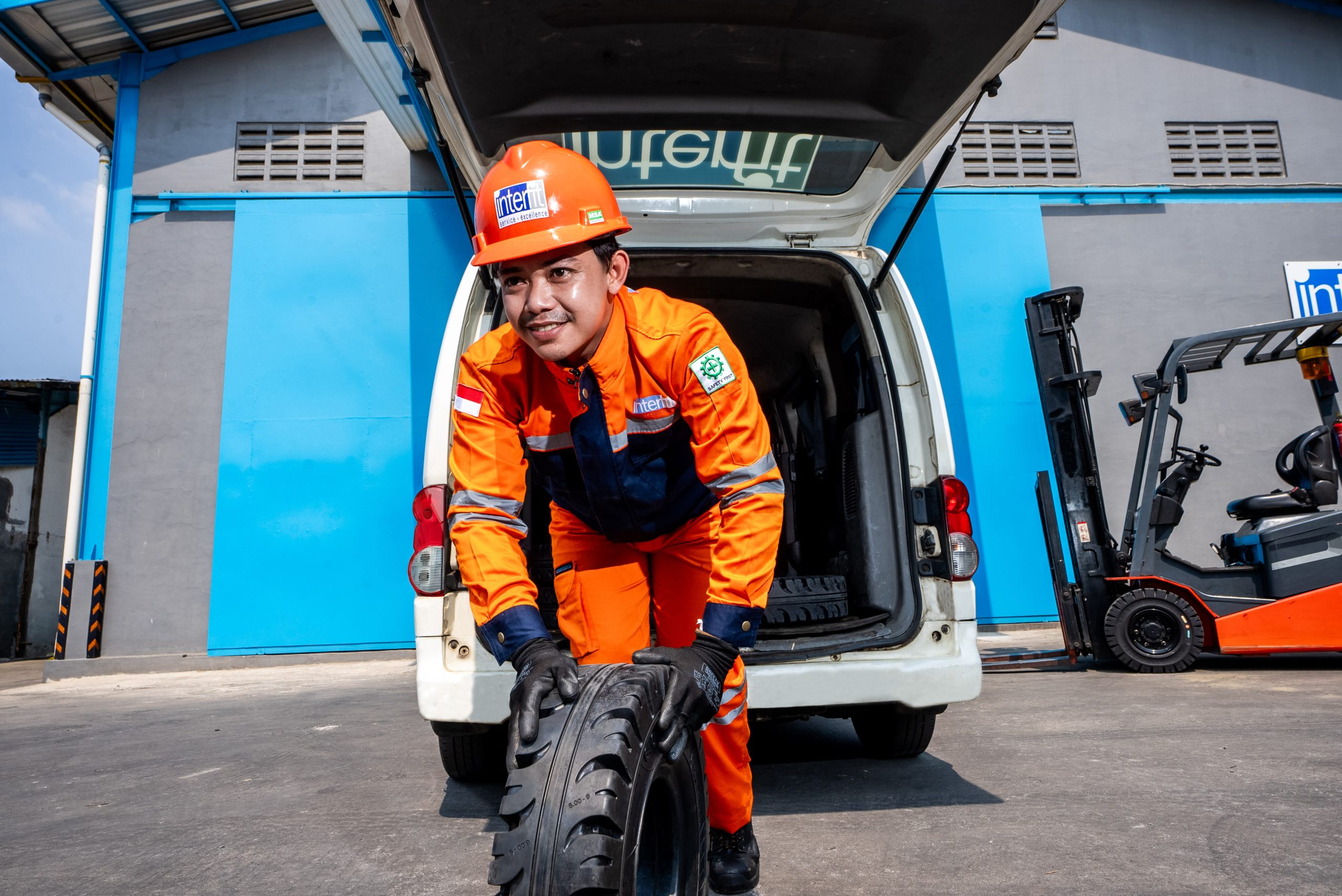
Forklift tires are among the most critical components in any material handling operation, yet they are often overlooked when it comes to routine maintenance. This can become particularly problematic during the summer months, when rising temperatures directly impact tire pressure, wear rates, and overall equipment performance.
Ignoring these factors can lead to unexpected downtime, increased operating costs, and safety risks in the workplace. On the other hand, a proactive approach to tire maintenance can significantly extend tire life, improve efficiency, and ensure safer operations across the board.
As temperatures rise, so does the internal pressure of tires. This natural increase may seem harmless, but when combined with improper inflation levels, it can quickly affect forklift handling, stability, and traction. Underinflated tires tend to wear faster and increase energy consumption, while overinflated tires reduce grip and compromise load stability.
For this reason, checking tire pressure regularly—preferably when the tires are still cold—is essential. Using a reliable gauge and following manufacturer recommendations ensures not only optimal performance but also helps prevent long-term damage.
A simple visual inspection can reveal early signs of wear that, if left untreated, could evolve into costly issues. Cracks, cuts, embedded debris, or smooth “bald” areas are all indicators that a tire may no longer be performing safely. In many cases, irregular wear patterns can also be a sign of deeper issues, such as misalignment or uneven load distribution. Identifying these early allows businesses to address the root cause before it impacts the entire operation.
Just like any high-performance component, forklift tires benefit from even wear. Because forklifts do not distribute weight uniformly during operation, certain tires tend to wear faster than others. Regular rotation helps balance this process, improving stability while extending the overall lifespan of the tire set.
Integrating tire rotation into a scheduled maintenance plan is a simple yet effective way to reduce replacement frequency and keep machines running smoothly.While technical maintenance is crucial, human factors play an equally important role. Operator behavior has a direct impact on how quickly tires degrade. Sudden braking, aggressive cornering, excessive speed, and overloading all contribute to accelerated wear.
Investing in operator training can therefore deliver significant returns. Encouraging smoother driving habits and better load management not only preserves tire quality but also enhances overall workplace safety.
Tire performance is not determined solely by the vehicle itself—operating conditions matter just as much. Rough or uneven surfaces, sharp debris, and extreme exposure to heat can all shorten tire life dramatically.
Maintaining clean, smooth operating areas and minimizing exposure to damaging elements can reduce unnecessary stress on tires. Even simple actions, such as storing forklifts in shaded or covered areas when not in use, can help preserve tire integrity over time. Ultimately, forklift tire maintenance should not be seen as a reactive task but as a strategic investment. Regular inspections, proper pressure management, controlled operating practices, and attention to environmental conditions all contribute to a more efficient and reliable operation.
By adopting a structured maintenance routine, businesses can reduce unexpected failures, control costs, and ensure consistent performance throughout the busiest months of the year.
Summer conditions can put forklift tires under significant stress, making maintenance more important than ever. A proactive approach not only improves durability and performance but also directly supports safety and operational continuity. At Interfit, we understand the critical role tires play in material handling. That’s why we support professionals with reliable solutions and expert guidance to help them get the most out of their equipment—season after season.